Two treadmills sit side by side in a listing, one advertising 4.0 peak horsepower and the other 2.5 CHP, and the first appears to be the stronger machine. It may well be the weaker one. Horsepower on a treadmill is one of the most inflated specifications in home fitness, and the gap between a peak figure and a continuous figure can be large enough to change which machine is the better buy.
This guide explains the two ratings, why the continuous number is the honest one, how load from your body weight and your gait changes what the motor needs, and how belt size, incline, deck cushioning, noise and floor protection should shape the decision. It also covers what no source documents, such as a standard way for brands to test horsepower, so you know where to be cautious.
Peak horsepower versus continuous duty
A motor can produce more power for a short burst than it can sustain. Peak horsepower describes the highest output the motor can reach for a moment, for example during start up or when the belt is under a sudden load. Continuous duty horsepower, CHP, describes the output the motor can maintain for extended periods without overheating or wearing out quickly. A treadmill spends its working life at sustained output, so continuous power is the relevant number.
Some manufacturers list only peak horsepower, and some list both. There is no universal public standard that forces every brand to measure either figure the same way, and no source documents a single agreed test procedure, so a bigger number on the box is not a guarantee of a stronger motor across brands. A peak figure can be double or more of the continuous figure for the same motor, which is why a listing that gives only a peak number tells you little. If the product page does not state a continuous rating, treat the figure with caution and look for it in the specification sheet or manual.
The sensible habit is to compare CHP with CHP and to ignore peak numbers when a continuous one exists. Where only one number is available, assume it may be peak and apply a skeptical discount. Heat is the mechanism behind the difference: motor windings warm up as they work, and a motor pushed past its continuous rating overheats, loses efficiency, and wears its brushes and insulation faster.
How much motor load your use creates
The load on the motor comes from three sources: the weight of the user, the speed of the belt, and the incline. Weight matters because the motor has to drag the belt against the friction of a loaded deck. A heavier user presses harder on the deck, which increases friction and so increases the power needed to keep the belt moving at a set speed. Running adds a further load, because each footstrike pushes into the belt and the motor has to resist the impact and recover speed.
Incline matters because the motor works against gravity when the user climbs. Raising the deck means the user's weight now acts partly along the belt, which the motor must overcome to keep the belt moving. A motor that copes with a flat walk can struggle on a steep incline at the same speed, which is why treadmills that offer large inclines usually need stronger motors.
Because no source documents a published formula linking user weight to required CHP that applies to all machines, what follows is qualitative. A person who mostly walks at an easy pace places a light load on the motor. A person who jogs a few times a week needs more headroom. A heavier user or a regular runner at higher speeds benefits from a motor with a higher continuous rating, because it runs well below its limit, stays cooler, and lasts longer. Headroom is the key idea: you want the motor to work at a comfortable fraction of its capacity, not at the edge.
| Use pattern | Load on motor | What to look for |
|---|---|---|
| Walking at a steady pace | Low | A modest CHP is enough, focus on belt and deck |
| Light jogging, occasional runs | Moderate | Mid range CHP and a longer belt |
| Regular running, higher speeds | High | A higher CHP, a long wide belt and strong frame |
| Heavier user, any activity | Higher than average | More CHP headroom and a higher stated user weight limit |
| Frequent incline walking | High at the top of the range | A motor and incline system built for sustained climbing |
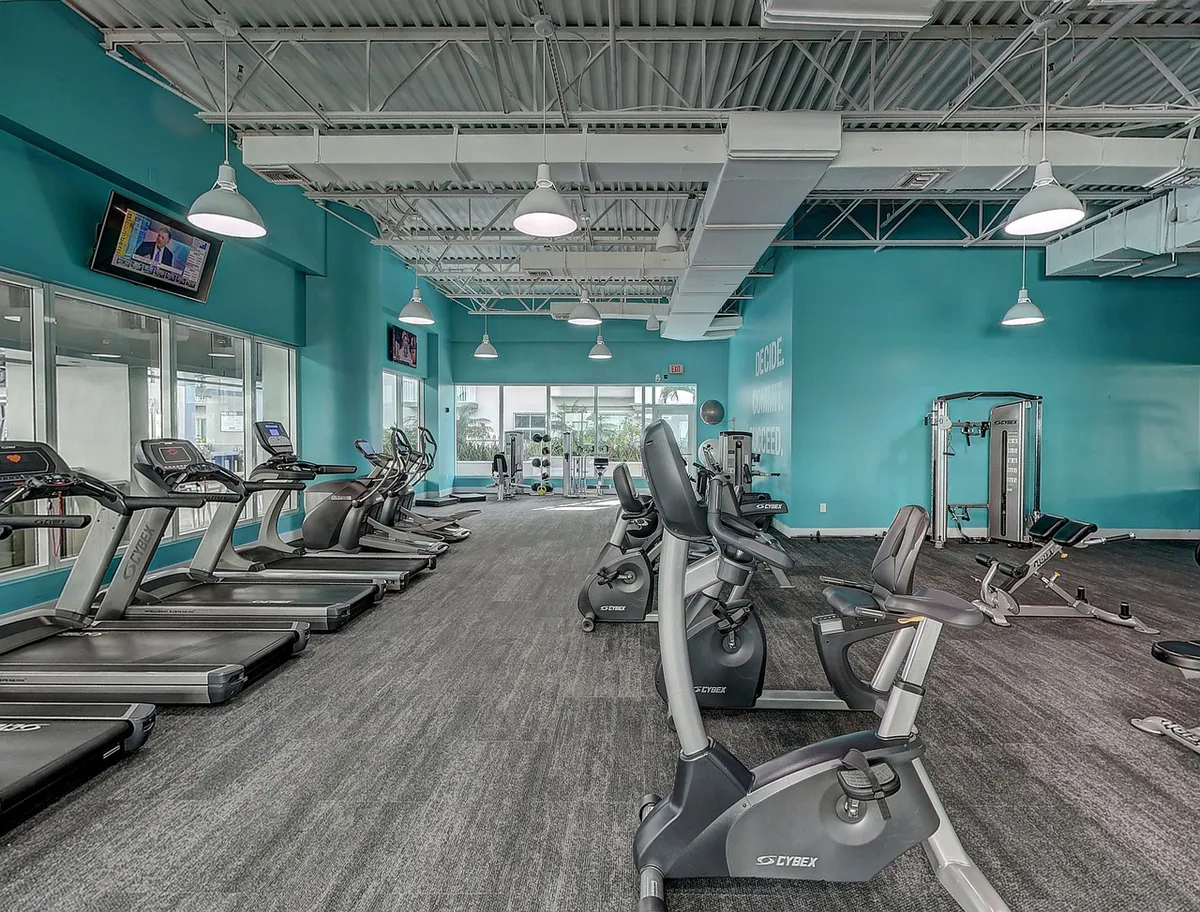
Walking treadmills and running treadmills
Walking pad and folding treadmills are built for lower speeds, and they often have lighter frames and smaller motors. That is fine for the job they are designed to do. The problem arises when someone buys a walking treadmill and runs on it, which overloads the motor, shortens belt and deck life, and can feel unstable on a short belt. Most manufacturers state a maximum speed and a maximum user weight, and exceeding either is a fast way to void the warranty and wear the machine.
Running treadmills have stronger motors, longer and wider belts, and heavier frames. The extra mass is part of the point: a heavy frame absorbs vibration and stays planted when a runner pounds the belt. If the product weighs very little, be skeptical of claims that it can handle regular running, no matter what the horsepower says. Weight, frame construction and roller diameter matter, because larger rollers reduce the strain on belt and bearings.
If you are unsure which camp you fall into, think about your behaviour in six months, not your plan this week. People who buy a walking treadmill intending to walk often start jogging once they are fit, and then find the machine limiting. A treadmill with a bit more capacity than you currently need is cheap insurance, provided you have the space for it. For other cardio options with different loads, compare rowing machine types and exercise bike types.
Belt size and stride length
The belt is the surface you walk on, and its dimensions matter as much as the motor. A common size for walking and light use is around 20 inches wide by 55 inches long. Runners generally need a longer belt, commonly 60 inches, because a running stride is longer than a walking one. Taller runners and anyone running at speed need more length so they do not feel they are about to step off the back.
Width affects confidence. A narrow belt feels cramped and leaves little margin for drifting sideways, which is a hazard at speed. A belt of 20 to 22 inches is typical and comfortable for most people. Anyone with a wide stance or a tendency to wander should favour the wider end.
Check the belt specification against your stride. As a rough guide, if you are tall or run quickly, a short belt makes you shorten your stride to stay on it, which changes your running form. These dimensions are also the part of the spec sheet that is easy to misjudge from a photo, so check the stated numbers rather than assuming. A bigger belt also means a bigger machine, so confirm the footprint fits the room including space behind the treadmill for safety.
Incline and deck cushioning
Incline raises the intensity of walking without raising speed, which is useful for people who want a harder session without running. Motorised incline systems add cost and weight, and manual incline treadmills require you to stop and adjust. Maximum incline varies by model, and a larger range is useful only if the motor and frame are up to sustained climbs.
The deck is the board beneath the belt, and its cushioning determines how much impact the legs absorb. Many treadmills use springs, elastomer mounts or flexible decks to soften the impact compared with concrete or pavement. Cushioning is a matter of feel and preference, and evidence on whether softer decks reduce injury risk is not settled, so do not buy on that claim alone. A very soft deck can feel unstable at speed, while a very firm one can feel harsh. Some treadmills let you adjust cushioning, which is valuable if more than one person uses the machine.
A related maintenance factor is belt lubrication. Many treadmills need the deck lubricated periodically to reduce friction between belt and deck, and a dry deck makes the motor work harder, which raises its temperature and shortens life. Others use pre-lubricated decks that need no attention, but the manual will say which applies. A belt that hesitates or feels sticky is a warning sign that friction is rising.
Noise and floor protection
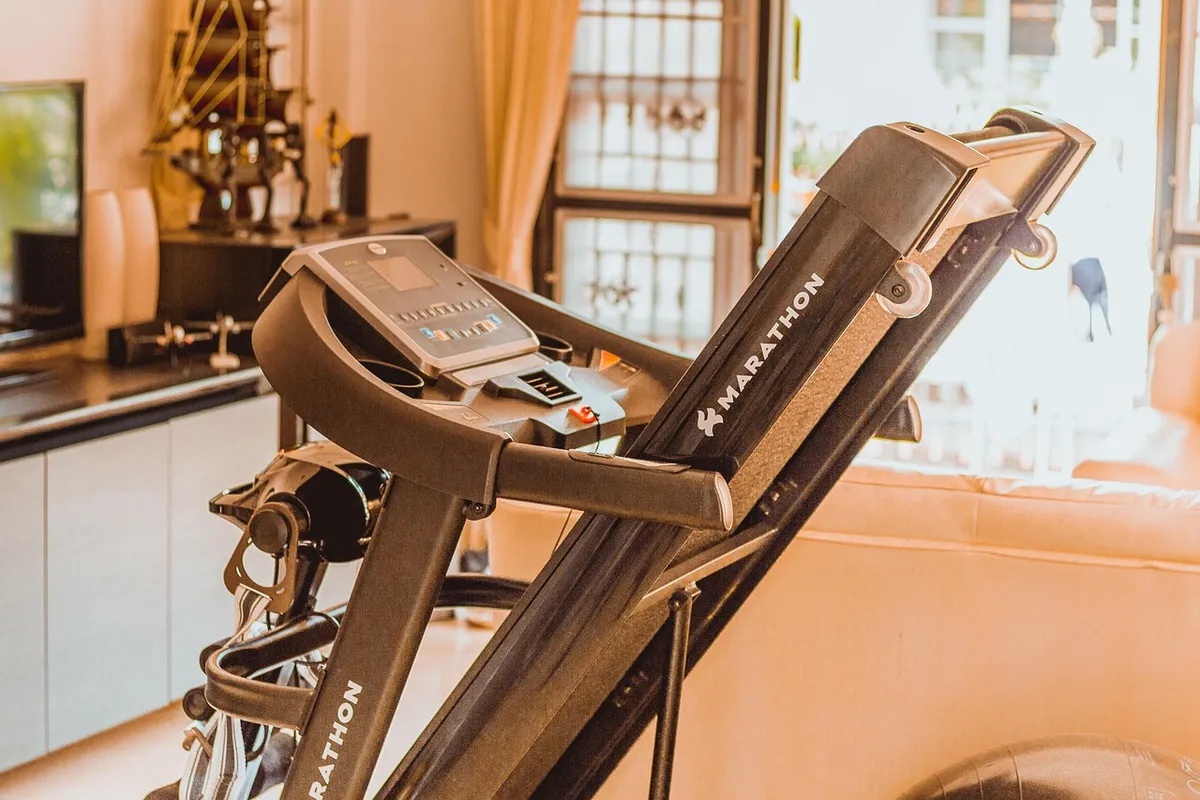
Noise comes from the motor, the belt, and above all from footfalls. A treadmill on an upper floor transmits impact noise to the rooms below, and the motor's hum adds to it. A quieter motor at lower strain is one reason to choose headroom over the minimum. A motor working near its limit runs louder and hotter than one that is coasting.
A rubber mat beneath the treadmill reduces noise and vibration, protects flooring from scuffs and indentation, and catches dust. Place the machine on a level area, because a tilted frame stresses the belt and causes it to drift to one side. Leave clearance behind the machine as specified in the manual, commonly a couple of metres, so you can step off safely if you stumble.
Check also that your floor and your power supply suit the machine. Treadmills draw significant current, and most manufacturers advise a dedicated outlet and warn against extension cords, because a cord that overheats is a fire risk. Follow the manual on this, as requirements vary by model and by country. Anyone with concerns about floor loading in an upper floor flat should check with the building manager, since no general figure applies to all buildings.
Build quality beyond the motor
Several features signal build quality better than the horsepower figure. Roller diameter is one: larger rollers turn more slowly for a given belt speed, which reduces wear. Frame weight and stated user capacity are another, because a machine that is rated for a high user weight has been built with a stronger frame, bearings and deck. Warranty terms are a useful signal too. A long warranty on the motor and frame suggests the maker expects the parts to last, while a very short one on a machine sold as heavy duty is a contradiction.
Look at the folding mechanism if you plan to fold the machine. Hydraulic or spring assisted folding makes lifting safer, and a heavy deck that folds with a latch can be a hazard if it drops. Check how the machine stands when folded, whether it has wheels, and whether you can still reach the plug. Console features such as heart rate monitoring and programmes are nice to have, but they are secondary to the motor, belt and frame. A fancy screen on a weak motor is a poor trade.
For a wider view of home cardio equipment, see our Health and Fitness section.
Reading a listing critically
Start with what the listing leaves out. If it states a motor figure without saying peak or continuous, assume peak. If it states a maximum user weight, check whether the same listing claims a high horsepower: a machine with a large motor and a low weight limit has a frame that cannot match the motor, which tells you where the maker saved money. If the maximum speed is low, the machine is a walking treadmill whatever the marketing photo shows.
Next, look for the parts a motor figure cannot show: deck thickness, roller diameter, and whether the belt is single or double ply. A thicker deck resists flexing and lasts longer under a runner, and a double ply belt is generally more durable than a single ply one, though neither is a guarantee. Owner feedback is worth reading for patterns, such as belts that drift, motors that smell hot after long sessions, or consoles that fail, because these tell you how the machine ages. Ignore single glowing or furious comments and look for the same complaint repeated.
Finally, think about service. A treadmill is heavy, and returning or repairing one is a chore. A seller with a clear warranty, available spare belts and a service contact is worth a premium over an anonymous listing. Warranty length for the motor is often longer than for parts and labour, so read which parts are covered and for how long. Pairing the right machine with a strength routine, such as the one in our dumbbell weight guide, rounds out a home gym without adding another large machine.
Frequently asked questions
What CHP do I need to run on a treadmill?
No source documents a single figure that suits everyone. Regular runners should look for a higher continuous rating than a walker would, along with a long wide belt and a stated user weight comfortably above their own. The more you run and the heavier you are, the more headroom you want.
Is peak horsepower ever useful?
It describes a brief maximum, so it tells you little about everyday running. If a listing gives both peak and continuous numbers, use the continuous one to compare. If only a peak number is given, treat it with caution and look for the continuous figure in the manual.
Can I run on a walking pad?
Not unless the manufacturer says so. Most walking pads have low maximum speeds, short belts and light motors, and running on them risks tripping and wears the machine out quickly. Check the stated maximum speed and user weight before buying.
Do heavier users need a bigger motor?
A heavier user places a larger load on the deck and the motor, so a higher continuous rating gives more headroom and a longer motor life. The stated maximum user weight on the specification is also worth checking, and a margin below the limit is wise.
Does a bigger motor make the treadmill louder?
Not necessarily. A motor running at a comfortable fraction of its capacity can be quieter than a small motor working hard. Most of the noise comes from footfalls and the belt, which a mat and a well cushioned deck help reduce.
The bottom line
Compare continuous duty horsepower, not peak, and treat any listing that gives only a peak figure with suspicion. Match the motor to how you will use the machine in a year, not today: a modest CHP for walkers, more headroom for runners and heavier users, and a belt long and wide enough for your stride.
Then check what surrounds the motor: roller size, frame weight, stated user capacity, deck cushioning, folding design and warranty. Put a mat underneath, follow the manual on power and lubrication, and choose the machine that stays comfortably within its limits rather than the one with the largest number on the box.