The gas versus charcoal argument is mostly conducted by people defending a choice they have already made, which makes it hard to learn anything from. The facts are quieter than the debate. Each fuel has a distinct heat profile, a distinct routine and a distinct set of costs, and the right answer depends on how often you cook outdoors, how much attention you want to give the fire, and how much you value a particular kind of flavour.
This guide compares the two on the things that change daily life: how hot each gets and how well you can control it, how long you wait before cooking, what is real and what is myth about flavour, what the fuel costs and how convenient it is, how cleanup compares, and why the BTU figure on a gas grill listing tells you less than it appears to. It also covers pellet grills as the third option.
Heat range and control
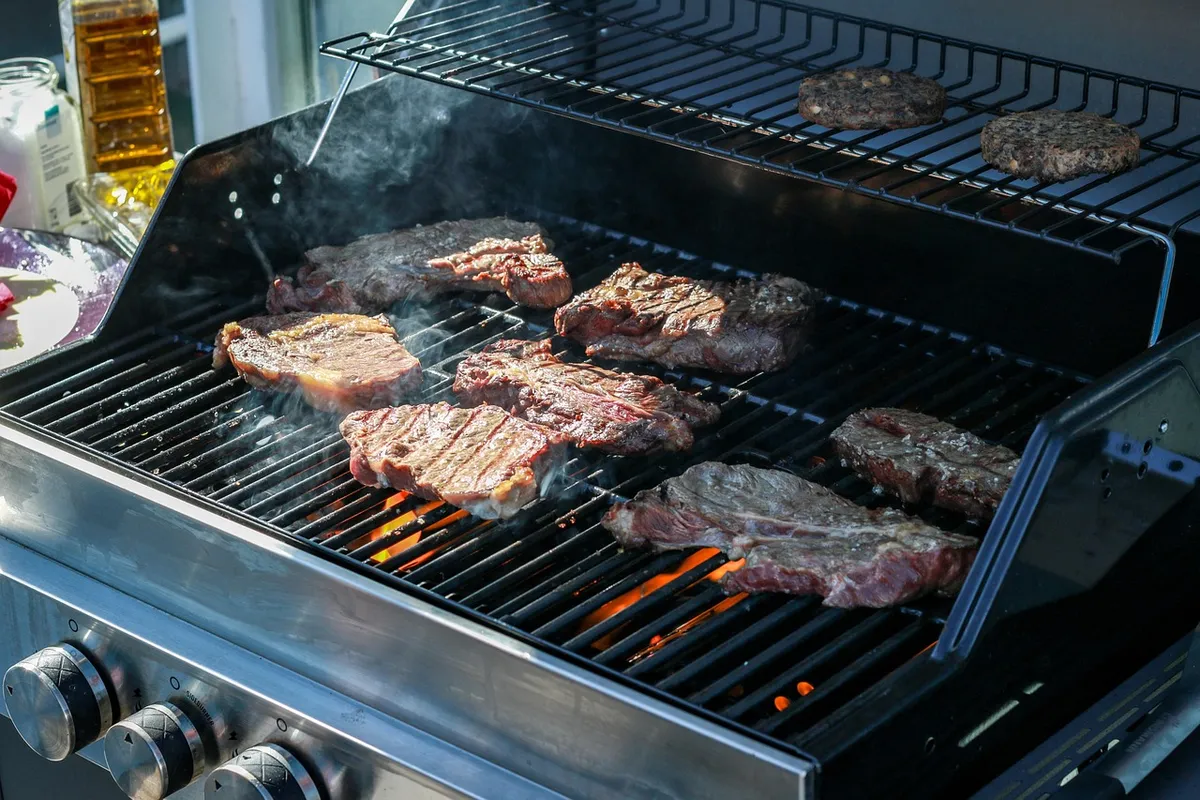
Gas grills control heat with burner valves. Turn the knob and the flame rises or falls within seconds, and a multi burner grill lets you set up zones, with one side hot and the other side low or off. This makes gas excellent for cooking that changes mid way, such as searing a steak and then finishing it gently, or grilling vegetables over medium heat while a burger sears alongside.
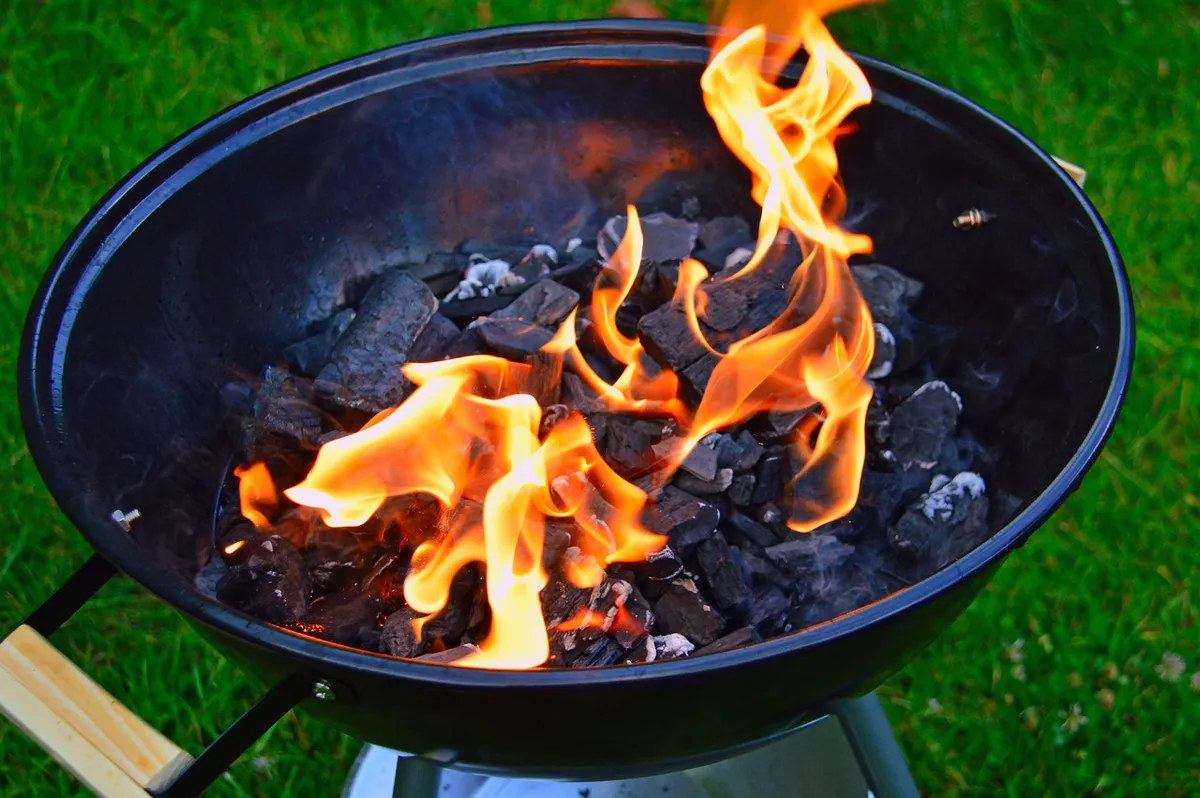
Charcoal controls heat through airflow and the amount of fuel. Opening the vents feeds more oxygen to the coals and raises the temperature, and closing them chokes it. The response is slower than a gas valve, measured in minutes rather than seconds, and it takes practice to hold a steady temperature. In exchange, a full chimney of lit coals in a kettle grill can produce very high surface temperatures at the grate, which is why charcoal tends to give a more aggressive sear at a modest price.
The most useful charcoal technique is the two zone fire: coals piled on one side, nothing on the other. The hot side sears, the cool side cooks gently with the lid closed, and you can move food between the two. This is how charcoal users achieve the same flexibility that gas offers through separate burners. Gas users can do the same by turning one burner off, which is simpler and takes seconds.
| Factor | Gas | Charcoal |
|---|---|---|
| Temperature control | Immediate, knob based | Slower, vents and fuel amount |
| Peak sear heat | High on good designs, varies | Very high at the grate with a full load |
| Low and slow cooking | Possible with care | Possible, takes skill and top ups |
| Learning curve | Short | Longer |
| Weather sensitivity | Wind can cool burners | Wind feeds the fire, rain affects fuel |
Preheat time and start up
A gas grill is ready to cook in roughly ten minutes with the lid closed, a delay that mostly serves to heat the grates so food sears rather than sticks. Ignition is by push button, and in most models it just works, though igniters can fail with age and need a match or lighter as a backup.
Charcoal takes longer. Lighting a chimney starter full of briquettes and waiting for the coals to ash over typically takes about 15 to 20 minutes, and then another stretch for the grate to heat. The total from deciding to cook to putting food on is commonly 25 to 30 minutes, a figure that is a reasonable estimate rather than a documented standard. After cooking, the coals need to burn down or be closed off, and the ash must be disposed of safely once cold.
This difference decides how often people actually use the grill. A weeknight cook who wants to start a meal after work finds a gas grill much easier to bring into the routine. A weekend cook who enjoys tending the fire finds the lighting ritual part of the pleasure. Be honest about which you are: the best grill is the one that you use, and an unused grill is a wasted cost whichever fuel it burns.
Flavour: what is real and what is myth
Much of the flavour of grilled food comes from the browning of its surface, the chemical process that makes seared meat taste savoury. That happens on both gas and charcoal, driven by the temperature of the grate and the dryness of the surface, not by the fuel. A well preheated gas grill sears as well as a charcoal one at the same grate temperature, and a hot, dry steak browns on either.
Where charcoal differs is smoke. Burning charcoal, especially lump charcoal, and dripping fat falling onto hot coals produce smoke that adds a flavour that gas cannot fully reproduce. Adding wood chunks to charcoal intensifies this. Gas grills can use a smoker box with wood chips, which gives a lighter smoke character, though it is less intense than with a charcoal fire.
The common myth is that gas flavour is chemical or that the propane taints the food. Propane burns cleanly, and there is no good source for a taste of gas on properly cooked food. Another myth is that lava rocks or flavouriser bars add a barbecue flavour. They mostly vaporise dripping fat, which creates smoke, and the effect is modest. The honest summary is that charcoal gives a smokier, more variable result, gas gives a cleaner, more consistent one, and the difference matters more with some foods than others. Thick steaks, sausages and burgers show a difference, while vegetables and quick cooking fish show little.
Fuel, cost and convenience
Gas grills run on propane cylinders or a natural gas line. Propane is portable and easy to swap, and a cylinder lasts for many sessions, though it can run out mid cook if you do not check. A gauge or a simple weight check helps. A natural gas connection removes refills altogether but needs installation and fixes the grill's location.
Charcoal comes in briquettes and lump. Briquettes are uniform, burn steadily and are cheap, with a longer, more predictable burn. Lump charcoal is made from carbonised wood, lights faster, burns hotter and produces less ash, but burns out sooner and varies in size. Neither is universally better, and the choice is personal. Fuel is a recurring cost for both, and charcoal use per session is higher than gas for a short cook, although exact running costs vary with local prices, which is why this guide gives no figures.
Storage matters too. Propane cylinders need a safe outdoor spot away from heat and ignition sources, and charcoal bags must be kept dry, because damp charcoal lights badly and smokes heavily. Both are manageable, but if storage space is limited, consider what you can keep dry and ventilated.
Why BTU numbers mislead
BTU stands for British thermal unit, a measure of heat energy, and gas grill listings quote a total BTU rating per hour for the burners. A big number sounds powerful, but it is a measure of fuel consumption at full burn, not of how well the grill cooks. A grill with large, inefficient burners and a thin lid can waste much of the heat, while a well built grill with fewer BTUs can reach and hold a higher grate temperature.
What matters is how much heat reaches the food. That depends on the grill's heat retention, set by the lid, the firebox material and the thickness of the metal. It also depends on how the BTUs are shared across the cooking area. A more useful comparison is BTU per square inch of primary cooking area, though no source documents a standard range that guarantees good results, so treat it as a rough guide. Check the thickness of the lid and body, the quality of the grates, and whether the burners are made of stainless steel or cast metal.
Owner feedback tells you more than the BTU number. Look for comments about whether the grill reaches a good sear, whether the temperature holds in wind, and whether the burners rust or fail. A grill that cooks evenly across the whole surface, without hot spots at the back and cold corners at the front, will outperform a higher BTU model with poor heat distribution.
Cleanup and maintenance
Gas grills need regular but light maintenance. The grates need brushing after each use, the grease tray needs emptying, and burners and tubes need an occasional check for blockages, particularly spiders and debris in the venturi tubes, which can cause uneven flames. Our guide on how to clean a grill grate covers the materials and methods in detail.
Charcoal grills create ash, which must be removed and disposed of once fully cold, as live embers can stay hot for many hours. Put ash in a metal container, never a bin with other waste, until you are certain it is out. Ash left in the bowl absorbs moisture and promotes rust, so emptying it matters. The grates need the same brushing as with gas.
Both types rust if left uncovered outdoors, so a fitted cover is a sensible purchase. For a patio set up, you will also want to consider where the grill sits relative to furniture and shade, and our guides on outdoor furniture materials and patio umbrella sizing help with the surroundings. Keep any grill away from walls, fences and overhanging branches, following the clearances in its manual.
Pellet grills as the third option
Pellet grills burn compressed wood pellets, fed by an auger from a hopper, and are controlled by a thermostat. You set a temperature and the grill maintains it, which gives some of the convenience of gas with real wood smoke. They excel at low and slow cooking such as ribs and brisket, and they are forgiving for beginners at those tasks.
The tradeoffs are cost, electricity and searing. Pellet grills usually cost more than comparable gas or charcoal models, need a power supply for the auger and controller, and many do not reach the intense heat needed for a hard sear unless they have a direct flame option. Pellets must be kept dry, as damp pellets swell and jam the auger. If your cooking leans toward smoking and roasting, a pellet grill is a strong contender. If you cook mainly burgers and steaks quickly, gas or charcoal is a better fit.
Small spaces, rentals and safety
Balconies and rented homes change the decision more than any flavour argument. Many leases and building rules restrict open flames or charcoal on balconies, and some forbid propane cylinders as well, so read the rules before buying. Where a rule exists, an electric grill may be the only option, and it is a different product from the three covered here. Fire risk is also about distance: a grill needs clearance from railings, walls, awnings and overhanging plants, and the figure in the manual should be followed rather than guessed.
Wind is a quiet factor. On an exposed balcony or a windy garden, a gas grill with thin walls loses heat and may even blow out a burner, while a charcoal kettle with its vents turned away from the wind holds temperature better. Position the grill so that its back faces the prevailing wind, and keep the lid closed as much as practical.
Check hoses and regulators on gas grills at the start of each season. A soapy water solution brushed on the connections shows leaks as bubbles, and a leak means stop using the grill until it is fixed. With charcoal, never use lighter fluid on coals that are already lit, and keep a bucket of sand or a fire extinguisher within reach. Neither fuel should ever be used in a garage, tent or enclosed porch, because both produce carbon monoxide.
Weight and build deserve a last look. A heavier grill with thick castings or double wall construction holds heat better and resists wind, but it is harder to move and may not suit a small patio. Wheels, a side shelf and a sturdy cart improve daily use more than extra burners do. A grill that wobbles when you lean on its shelf will wear out your patience before it wears out its parts, so judge stability from the footprint and the leg design.
Who should choose which
Choose gas if you cook outdoors often, want quick starts, or cook in varied conditions. It suits families, busy households and anyone who values consistency. Choose charcoal if you enjoy the process, want strong sear and smoke on a smaller budget, and do not mind the wait and cleanup. Choose pellet if you want low and slow results with little supervision.
Many keen cooks own two grills, a gas one for weeknights and a charcoal one for weekends, and that is a sensible solution if space allows. If you can only have one, think about the cooking you will do most, not the best meal you can imagine. For more garden and outdoor guides, see our Outdoor and Garden section.
Frequently asked questions
Does charcoal really taste better than gas?
It tastes different, mainly smokier. Browning flavour comes from the sear, which both can achieve. Smoke adds character with charcoal, especially with wood chunks, and the difference is clearest on thick cuts and fatty foods.
How many BTUs do I need on a gas grill?
No source documents a number that guarantees good cooking. Total BTU only measures fuel use. Look at build quality, lid fit, burner construction and how evenly the grill heats, and read owner feedback about searing and heat retention.
Is a gas grill safer than charcoal?
Each has its own risks. Gas needs leak checks on hoses and connections, and charcoal produces carbon monoxide and hot ash. Never use either indoors or in an enclosed space, keep them clear of structures, and follow the manual.
Can I smoke food on a gas grill?
Yes, with a smoker box or a foil pouch of wood chips over a lit burner and the other burners off. The smoke is milder than from a charcoal or pellet grill, but it works for short smokes of chicken, fish and sausages.
What if I only grill a few times a year?
A simple charcoal kettle is the cheapest way to start and stores easily. A small portable gas grill is another good option if speed matters more than cost. Either way, avoid paying for features you will not use.
The bottom line
Pick the grill that fits how you cook. Gas for speed and consistency, charcoal for strong sear, smoke and a lower purchase cost, pellet for set and forget smoking. Ignore the BTU number on its own, and judge the build, the heat retention and the evenness of the cooking surface.
Whatever you choose, cover it, clean the grates and keep it away from structures. Be honest about the time you will give it, because the best grill is the one you actually light.